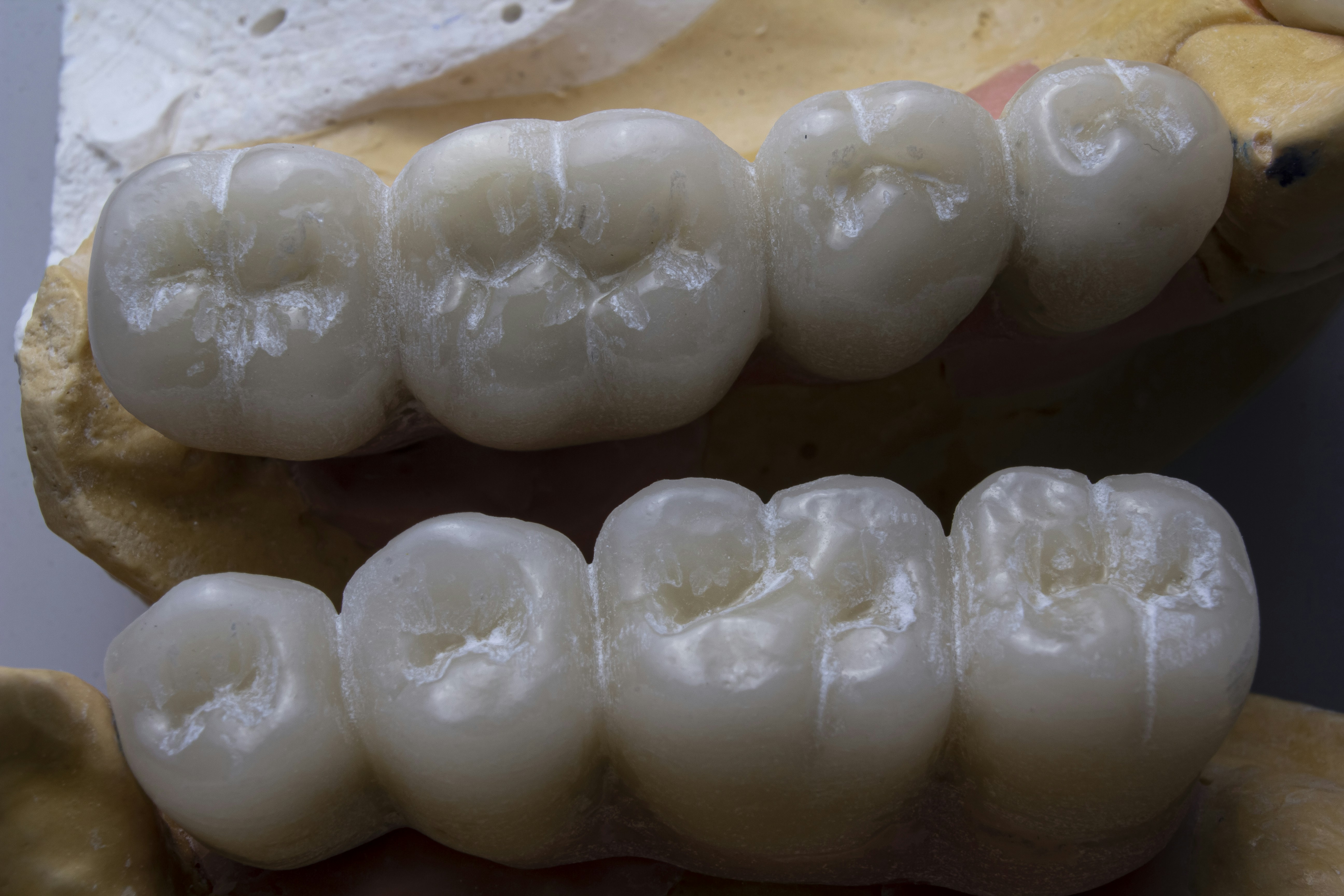
Introduction to Zirconia Bridge Fort Lauderdale
Zirconia bridges are innovative dental restorations used in restorative dentistry to replace missing teeth. These bridges are primarily composed of zirconium dioxide, a material renowned for its strength, durability, and bio-compatibility. In contrast to traditional metal-based bridges, zirconia presents a sophisticated alternative that caters to both functional and aesthetic needs.
The role of dental bridges is pivotal in maintaining oral health by preventing the shifting of adjacent teeth, restoring the patient’s ability to chew effectively, and enhancing the overall appearance of the smile. Zirconia, as a preferred choice among dental materials, boasts a natural tooth-like appearance that allows for high aesthetic value, making it especially suited for visible areas in the mouth.
Unlike other materials, zirconia is less likely to trigger allergic reactions, making it an excellent option for patients with sensitivities to metal alloys. Additionally, its high strength ensures that zirconia bridges can withstand significant forces during biting and chewing, enhancing their functionality.
The integration of zirconia in dental technology has revolutionized the field of restorative dentistry. Its design not only emphasizes aesthetic appeal but also serves a practical purpose by providing a robust foundation for chewing. This makes it a highly sought-after solution for individuals needing dental restorations.
In summary, zirconia bridges exemplify the integration of advanced materials in dental practice, addressing both aesthetic and functional requirements for patients. As more individuals seek out effective and visually appealing dental solutions, the popularity of zirconia bridges continues to grow, positioning them as a leading choice in restorative dentistry.
Benefits of Zirconia Bridges
Zirconia bridges have gained significant popularity in modern dentistry, particularly in Fort Lauderdale, due to their impressive range of benefits that set them apart from traditional dental materials. One of the primary advantages of zirconia bridges is their exceptional durability. Comprising a robust ceramic material, zirconia can withstand substantial biting forces, making it ideal for long-term dental restorations. This resilience also translates to a lower likelihood of chipping or breaking, which is a common concern with other materials.
In terms of aesthetics, zirconia bridges offer a natural appearance that closely mimics the translucency and shade of natural teeth. This property is crucial for individuals seeking dental solutions that blend seamlessly with their smile. Unlike traditional metal-based bridges, zirconia’s opaque nature does not reveal a dark line along the gum line, enhancing the overall look of restorations.
Biocompatibility is another remarkable benefit of zirconia bridges. Being metal-free, zirconia poses minimal risk of allergic reactions or sensitivity, making it a suitable option for those with metal allergies. Moreover, its compatibility with human tissues contributes to reduced inflammation and a comfortable post-procedure experience.
Resistance to staining is also a significant advantage of zirconia bridges. Unlike porcelain or composite materials, zirconia is less prone to discoloration from food, beverages, or tobacco products, which helps maintain a brighter smile over time. This quality not only enhances the aesthetic longevity of the restorative work but also reduces the need for frequent replacements.
Overall, the combination of durability, aesthetic appeal, biocompatibility, and stain resistance makes zirconia bridges a highly beneficial choice for individuals seeking reliable and attractive dental solutions.
How Zirconia Bridges Work
Zirconia bridges are dental prosthetics designed to restore missing teeth, offering both functional and aesthetic benefits. Their effectiveness stems from the high durability and biocompatibility of zirconia, a ceramic material that mimics the natural appearance of teeth. When a patient has lost a tooth or multiple teeth, a zirconia bridge can be securely anchored between two healthy teeth or dental implants, effectively filling the gap and restoring oral function.
The process of fitting a zirconia bridge begins with a thorough examination and imaging of the mouth to assess the condition of surrounding teeth and the jawbone. Once the treatment plan is established, the affected teeth are prepared by removing a small amount of enamel to accommodate the bridge. Impressions of the teeth are then taken, allowing for the creation of a precise, custom-fitted zirconia bridge tailored to the patient’s mouth.
During its construction, the zirconia material is milled using advanced 3D technology which ensures that the final product not only fits comfortably but also aligns with the patient’s natural bite. The bridge is then color-matched to surrounding teeth for a seamless appearance. Once the zirconia bridge is ready, it is securely cemented in place. This meticulous crafting process is essential as it enhances both the bridge’s longevity and the overall function of the dental restoration.
While zirconia bridges are known for their remarkable strength, they also possess the ability to resist wear and staining, making them an ideal choice for patients seeking a long-term solution to tooth loss. Patients can enjoy improved oral functionality, including biting and chewing, while also benefitting from the natural aesthetic that closely resembles real teeth.
The Process of Getting a Zirconia Bridge
Obtaining a zirconia bridge involves a series of methodical steps designed to ensure that the dental restoration not only fits properly but also achieves a natural appearance. The process typically begins with an initial consultation, where the dentist evaluates the patient’s oral health and discusses the need for a zirconia bridge. During this appointment, x-rays and other diagnostic tools may be utilized to assess the condition of the teeth and surrounding tissues.
Once the consultation is complete and the decision to proceed with a zirconia bridge is made, the next step is to create impressions of the patient’s teeth. These impressions are critical for crafting a custom bridge that accurately fits the patient’s dental anatomy. The impressions can be taken using traditional molding materials or through more advanced digital scanning technology, which can provide enhanced accuracy.
With the impressions completed, a temporary bridge may be placed to protect the prepared area while the final zirconia bridge is being fabricated. This temporary solution helps maintain the function and aesthetics of the patient’s smile. It is important for patients to follow their dentist’s care instructions during this interim period to ensure the health of the surrounding teeth and gums.
After a laboratory fabricates the zirconia bridge, typically taking a few weeks, the dentist schedules a follow-up appointment for the final fitting. During this visit, the temporary bridge is removed, and the custom zirconia bridge is carefully placed in the mouth. The dentist will make any necessary adjustments to ensure a precise fit and comfortable bite. After confirming that the zirconia bridge meets the patient’s satisfaction, it will be secured into place.
Cost of Zirconia Bridges in Fort Lauderdale
The cost of zirconia bridges in Fort Lauderdale can vary significantly based on several influential factors. One of the primary determinants is the dentist’s expertise and experience. Highly regarded dental professionals with extensive training and a history of successful cases may charge more for their services but often provide a higher quality of care. It’s essential to consult with your dentist regarding their qualifications and past work, as this can reflect in the overall cost of your treatment.
Additionally, the complexity of the case plays a crucial role in determining the final price. For instance, if a patient requires additional procedures such as extractions, gum treatments, or bone grafting prior to the insertion of the zirconia bridge, this will increase the overall cost. Furthermore, the number of units in the bridge and the specific materials selected can also affect pricing. Customization options, including shade matching and additional personalizations, may incur additional charges.
Insurance coverage is another significant factor that can influence the cost of zirconia bridges. Many dental insurance plans offer partial coverage for restorative dental work, while others might not cover it at all. Patients are encouraged to consult their insurance provider to understand their policy’s specifics regarding coverage for zirconia bridges. Financing options may also be available, allowing patients to spread the cost over a period, making the treatment more accessible.
In summary, the cost of zirconia bridges in Fort Lauderdale can be influenced by several factors such as the dentist’s expertise, case complexity, and insurance coverage. It is advisable to seek detailed estimates and discuss payment options with dental professionals to gain a clear understanding of the financial aspects involved.
Caring for Your Zirconia Bridge
Maintaining your zirconia bridge is essential for ensuring its longevity and the overall health of your oral cavity. An effective oral hygiene regimen plays a pivotal role in keeping your bridge and your teeth in optimal condition. Brush your teeth at least twice a day using a soft-bristle toothbrush and a non-abrasive fluoride toothpaste. This will help to remove plaque and prevent gum disease, which can affect your zirconia bridge.
Flossing daily is equally important. Traditional floss may not always suffice for cleaning around dental bridges; therefore, consider using interdental brushes or floss threaders designed specifically for dental appliances. These tools can more effectively reach the areas under and around the bridge, ensuring that plaque and food particles are adequately removed.
Additionally, it is advisable to limit the intake of hard or sticky foods that could potentially damage your zirconia bridge. Foods like hard candies, ice, and certain nuts can exert excessive pressure on the bridge, causing it to weaken over time. Moreover, avoid highly acidic foods and beverages, as they may contribute to the wear of dental enamel and impact the surrounding teeth’s health.
Another crucial aspect of caring for your zirconia bridge is scheduling regular dental check-ups. Visiting your dentist at least twice a year allows for comprehensive examinations and cleaning procedures that can further enhance the lifespan of your bridge. During these visits, your dentist can also assess the integrity of the bridge, ensuring that there are no underlying issues affecting your dental health.
By adhering to these simple yet effective practices, you can ensure the durability of your zirconia bridge while maintaining excellent oral hygiene. The effort invested in daily care and preventive measures can greatly contribute to a healthy and radiant smile.
Potential Risks and Considerations
While zirconia bridges are widely regarded for their aesthetic appeal and durability, it is important to acknowledge the potential risks and considerations associated with this dental restoration option. Patients should be aware of possible allergic reactions, despite zirconia being biocompatible and less likely to provoke sensitivity compared to metal-based restorations. Allergies, although uncommon, can occur in sensitive individuals, leading to discomfort or inflammation in the mouth.
Another critical factor to consider is the possibility of bridge failure. Although zirconia offers exceptional strength, factors such as improper placement or biting forces can affect longevity. A poorly fitted bridge may lead to complications including gum irritation, increased wear on adjacent teeth, and even the need for premature replacement. Thus, selecting a qualified and experienced dental professional to ensure accurate fitting and alignment is paramount to the success of the restoration.
Moreover, the overall health of the underlying jawbone must be evaluated prior to the procedure. Individuals with insufficient bone density may not achieve optimal support for a zirconia bridge, impacting its performance and stability. This could necessitate additional procedures, such as bone grafting, further complicating the treatment plan. In such cases, careful examination and diagnostic imaging are recommended to ascertain the appropriateness of zirconia bridges. Proper aftercare and regular dental check-ups are also fundamental for maintaining the bridge’s integrity and addressing any issues promptly, should they arise.
Comparing Zirconia Bridges to Other Options
Zirconia bridges have gained popularity in recent years, particularly in Fort Lauderdale, due to their impressive combination of aesthetics and durability. When comparing zirconia bridges to other dental bridge materials, such as porcelain-fused-to-metal (PFM) and traditional metal bridges, several factors come into play, including cost, aesthetics, and durability.
One notable distinction lies in aesthetics. Zirconia bridges exhibit a natural translucence that closely mimics the appearance of natural teeth, making them a preferred choice for patients concerned about cosmetic outcomes. In contrast, PFM bridges tend to have a metal substructure that may occasionally result in a visible gray line at the gum line, especially as gums recede. Traditional metal bridges are efficient and durable but lack the aesthetic appeal that zirconia offers.
Durability is another critical factor in the comparison. Zirconia is known for its high tensile strength, making it an ideal solution for areas subject to significant chewing forces. PFM bridges, while durable, may be prone to chipping of the porcelain layer, resulting in potential repairs or replacements over time. Metal bridges, while robust, are susceptible to corrosion and wear, which can affect their longevity. Thus, zirconia bridges typically require less maintenance and have a longer lifespan.
Finally, cost is a significant consideration. Zirconia bridges tend to be more expensive than traditional metal or PFM bridges due to the advanced technology and materials used in their fabrication. Patients must weigh the initial investment against the long-term benefits of reduced maintenance and aesthetics. Ultimately, the choice between zirconia, PFM, and metal bridges will depend on individual patient preferences, aesthetic desires, and budget constraints.
Conclusion and Next Steps
In summary, the zirconia bridge presents numerous advantages, including exceptional strength and natural aesthetics, making it an excellent option for individuals needing dental restorations. The procedure for installing a zirconia bridge is typically straightforward, often completed in a few visits to a qualified dental professional. Unlike traditional bridges, zirconia options are less susceptible to wear and tear, and they offer a more attractive solution that mimics natural teeth effectively.
As with any dental procedure, it is crucial to consider the associated costs, which may vary based on several factors such as the specific dental practice and the complexity of the case. Understanding the investment involved is essential as it allows you to make an informed decision. Many dental offices, including those in Fort Lauderdale, might offer financing options to assist patients with the cost of treatment. Additionally, consulting with a dental expert provides the opportunity to explore all available alternatives tailored to individual needs.
To proceed with the installation of a zirconia bridge, scheduling an initial consultation with a local dental professional is advisable. During this meeting, you can discuss your specific dental situation, review potential treatment plans, and address any questions or concerns. It is also a good opportunity to evaluate the dentist’s experience and approach to ensure a comfortable and successful treatment process. Remember, making informed choices about dental care not only contributes to your oral health but also enhances your overall quality of life.