Introduction to Dental Protection: Zirconia Bridges for Athletes
In the realm of athletics, particularly in contact sports, dental health is a crucial aspect that is often overlooked.Dental Protection: Zirconia Bridges for Athletes face significant risks when engaging in physical activities that can lead to dental injuries, such as fractures, dislodged teeth, or even complete loss of teeth. Such injuries not only affect an athlete’s oral health but can also have lasting impacts on their overall well-being and performance.
The potential for dental trauma is particularly high in sports where physical contact is routine, including football, hockey, boxing, and martial arts. The forces involved in collisions can lead to varying degrees of injury to the teeth and surrounding structures. Additionally, the aesthetic aspect of smile maintenance cannot be dismissed; for many athletes, having a visually appealing smile is integral to their confidence and professional image.
Given the high stakes associated with dental injuries, the importance of preventive measures cannot be overstated. Mouthguards are a commonly employed solution, providing a barrier between the teeth and external forces, yet they do not cover the risk of damage occurring to existing dental work. This is where innovative solutions like zirconia bridges come into play. These dental restorations not only provide a robust solution for those recovering from dental injuries but also enhance the aesthetic quality of an athlete’s smile.
Understanding the unique challenges that athletes face in maintaining their oral health is crucial in developing effective strategies for dental protection. By prioritizing dental strategies, such as the use of zirconia bridges, athletes can safeguard their smiles and maintain both functional and aesthetic dental health, enabling them to perform at their best with confidence.
Understanding Zirconia Bridges
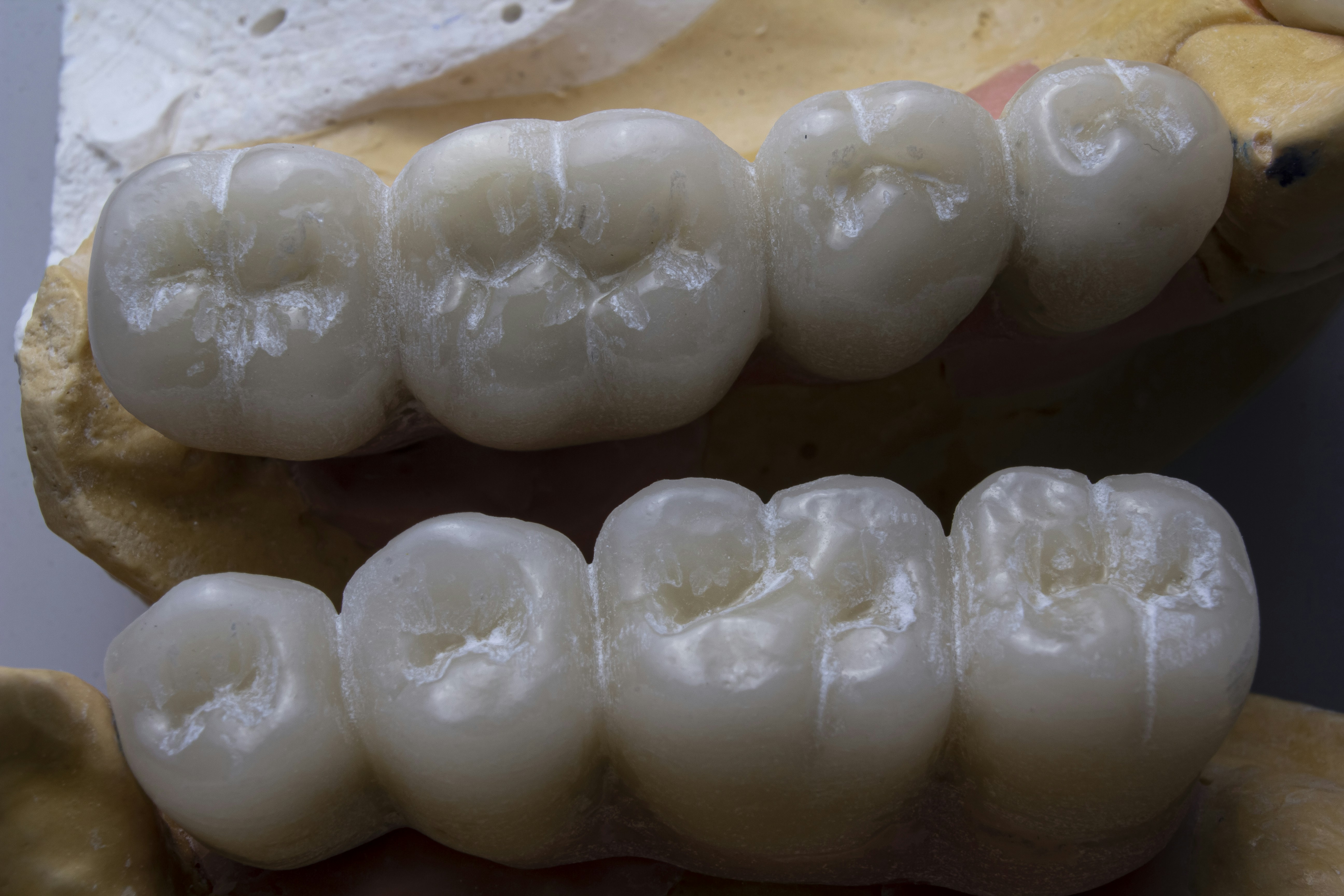
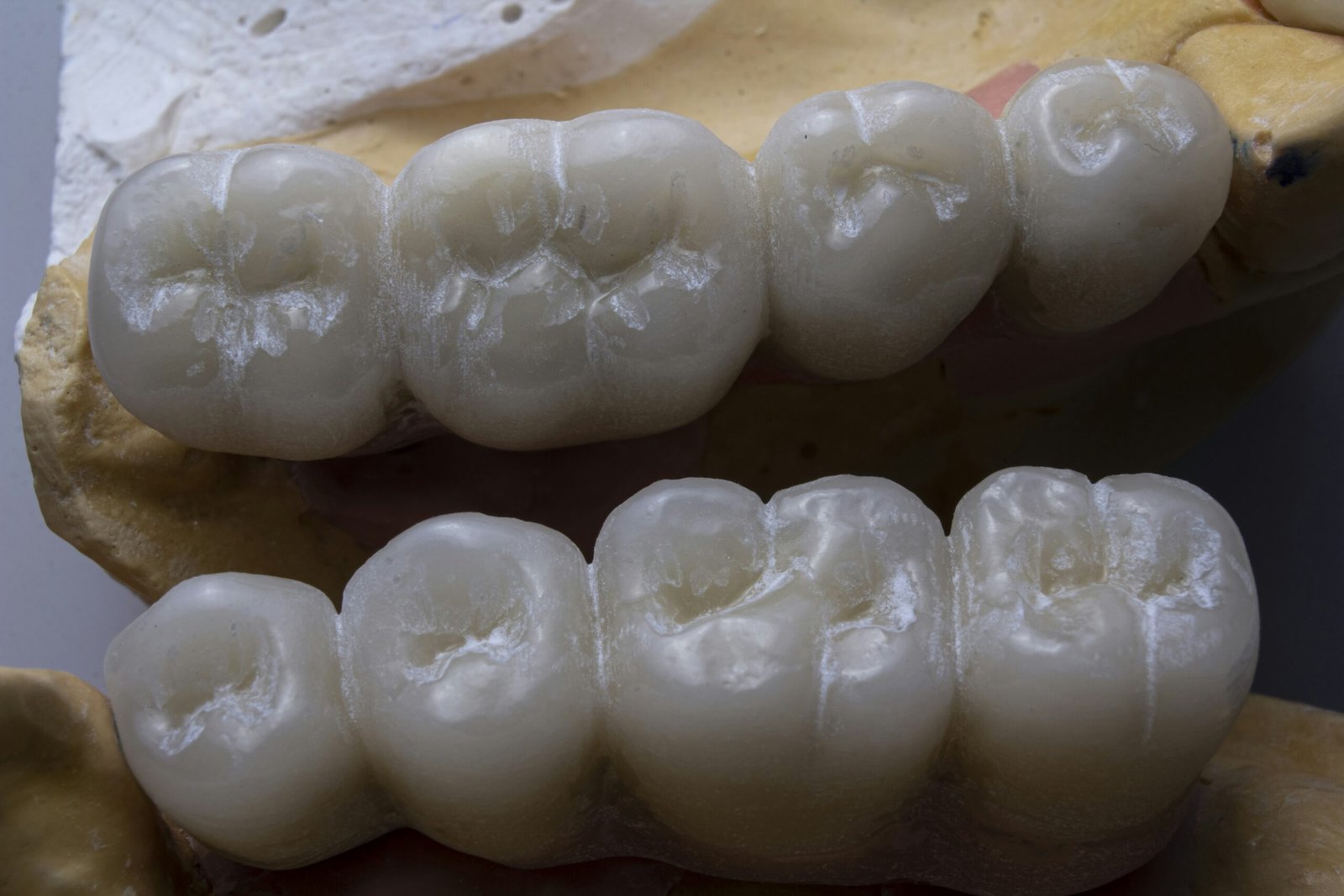
Zirconia bridges are a type of dental prosthesis utilized to replace one or more missing teeth, primarily recognized for their remarkable strength and durability. Constructed from zirconium dioxide, a ceramic material, zirconia bridges are known for their exceptional resistance to fracture and wear. This characteristic makes them particularly suitable for athletes who require robust dental solutions that can withstand the stresses associated with high-impact sports.
The manufacturing process of zirconia bridges involves advanced techniques, including computer-aided design (CAD) and computer-aided manufacturing (CAM). These technologies ensure precise fitting and high accuracy, which are crucial for both aesthetics and oral functionality. Initially, dentists create a digital impression of the patient’s mouth, which is then used to design the bridge with utmost precision. The zirconia material is subsequently milled and sintered to enhance its strength, resulting in a product that not only fits well but also mimics the natural appearance of teeth.
In comparison to traditional dental materials such as metal or porcelain-fused-to-metal, zirconia offers several benefits. Unlike metal, which may cause allergic reactions or aesthetic concerns due to visible dark lines, zirconia bridges feature a fully tooth-colored appearance. Furthermore, the biocompatibility of zirconia enhances tissue health, reducing inflammation and promoting better overall oral hygiene. This property is particularly beneficial for athletes who are more prone to dental injuries and infections.
In summary, zirconia bridges stand out due to their unparalleled strength, aesthetic appeal, and compatibility with the human body. These features make them a preferred choice for athletes seeking a long-lasting and durable dental solution that can withstand the rigors of an active lifestyle.
Benefits of Zirconia Bridges for Athletes
Zirconia bridges offer a multitude of benefits tailored specifically for athletes, who often experience high levels of physical stress that can impact their dental health. One of the most significant advantages of zirconia bridges is their exceptional durability. Unlike traditional materials, zirconia is designed to withstand the rigors of athletic activity, ensuring that these dental restoration solutions remain intact even under intense pressure. This durability significantly reduces the risk of damage, allowing athletes to focus on their performance without the distraction of dental concerns.
Furthermore, zirconia bridges exhibit remarkable resistance to wear. Athletes frequently engage in activities that expose their teeth to challenges, including impacts and abrasive forces. The wear resistance offered by zirconia ensures that these bridges maintain their integrity and functionality over time, thereby prolonging their lifespan. This reliability can be a game-changer for those in competitive sports, where both performance and aesthetics matter greatly.
Aesthetic appeal is another crucial aspect of zirconia bridges. They can be color-matched to blend seamlessly with the natural dentition of an athlete, providing an appealing smile. This aesthetic advantage boosts confidence, enabling athletes to present themselves with assurance both during competitions and in their personal lives. Knowing that their dental restoration aligns well with their natural teeth allows athletes to focus on their skillset rather than their smile.
Additional considerations include the resistance of zirconia to chips and fractures, which is particularly beneficial for individuals engaged in contact sports. By minimizing the chances of dental injury, zirconia bridges not only support an athlete’s dental health but also contribute positively to their overall performance and self-assurance. In the realm of professional athletics, where every detail counts, choosing zirconia bridges can be a significant advantage.
Comparison with Other Dental Materials
When considering dental restoration options, particularly for athletes, zirconia bridges stand out among other materials such as porcelain and metal bridges. Each of these materials has distinct characteristics that influence their suitability in specific circumstances, including longevity, cost, comfort, and aesthetics.
Zirconia is renowned for its exceptional strength and durability, making it ideal for high-impact situations often encountered in sports. It is more resistant to wear and fracture compared to porcelain, which, while aesthetically pleasing, can be susceptible to chipping and breaking under stress. This durability of zirconia bridges contributes to their longevity, ensuring that athletes can rely on their dental restorations without frequent replacements.
In terms of cost, zirconia bridges may initially seem more expensive than traditional metal or porcelain options. However, the longevity and minimal maintenance required for zirconia often justify the upfront investment. Patients benefit in the long term since zirconia bridges typically do not need to be replaced as frequently as other materials.
Comfort is another essential factor for athletes who require dental solutions that will not interfere with performance. Zirconia bridges offer a smoother finish and a more natural fit, reducing irritation in the mouth compared to metal bridges, which can sometimes cause discomfort due to their hardness and potential for causing allergic reactions. Furthermore, zirconia’s biocompatibility ensures that it is less likely to provoke adverse reactions compared to metal alternatives.
Aesthetically, zirconia bridges can be optimally designed to match the natural color of the surrounding teeth, making them a preferred choice for those who prioritize both appearance and function. While porcelain is also aesthetically pleasing, its vulnerability to damage can undermine its visual advantages over time. Overall, while each material presents unique benefits and drawbacks, zirconia bridges offer a robust and aesthetically satisfactory solution for athletes seeking dental protection.
Real-Life Case Studies of Athletes with Zirconia Bridges
Zirconia bridges have gained popularity among athletes due to their functionality and aesthetic appeal. Several prominent athletes have shared their experiences with zirconia dental bridges, highlighting the positive impact these restorations have had on their careers and quality of life.
One notable case is that of a professional soccer player who sustained a dental injury during a match, resulting in the loss of multiple teeth. Following his recovery period, he elected to have zirconia bridges installed. He reported remarkable functionality; the bridges allowed him to perform at his peak level without concern about durability or dislodgment during physical activity. His testimonial emphasizes that not only did the zirconia bridges restore his smile but also enhanced his confidence on the pitch.
Another athlete, a competitive basketball player, faced similar dental challenges after a collision during a game. Opting for zirconia bridges, he was impressed by the comfort and natural feel they provided. The athlete noted that he experienced minimal discomfort during the immediate recovery phase and could return to his training routine shortly thereafter. His satisfaction extended beyond comfort; he also appreciated the bridges’ ability to replicate the look of natural teeth, which was critical for his public appearances and endorsements.
A fitness influencer also shared her success story regarding zirconia bridges after a dental emergency. She emphasized that the aesthetic results were exceptional, matching her natural tooth color perfectly. Not only did the bridges restore her smile, but they also boosted her confidence to engage actively in her fitness campaigns without the fear of visible dental issues. These case studies illustrate that zirconia bridges are not only a viable option for athletes requiring dental restoration but also enhance their overall performance and self-image.
Maintenance and Care for Zirconia Bridges
Zirconia bridges provide robust and aesthetic solutions for dental restoration, particularly for athletes who may be more prone to dental trauma due to their active lifestyles. However, ensuring their longevity necessitates adopting proper maintenance and care practices. Athletes should establish a daily oral hygiene routine, which includes brushing two times a day with fluoride toothpaste and employing a soft-bristled toothbrush. This practice helps prevent plaque accumulation around the crown and bridge area, thus minimizing the risks of decay around the prosthetic teeth.
Flossing is equally vital; athletes are encouraged to use dental floss or interdental brushes to clean between the zirconia bridge and adjacent teeth. This routine helps maintain healthy gums and contributes to the overall stability of the bridge. A fluoride mouth rinse can also be beneficial, effectively adding a layer of protection against cavities and strengthening enamel.
Regular dental check-ups play a crucial role in the maintenance of zirconia bridges. It is advisable for athletes to schedule biannual visits with their dentist to monitor the condition of their dental work. During these appointments, any potential issues can be identified early, and necessary adjustments can be made to ensure optimal function and comfort. Dentists may also evaluate the fit and wear of the bridges, ensuring that they are performing as expected.
Lastly, athletes should be mindful of certain activities that may compromise the integrity of their zirconia bridges. Engaging in contact sports without proper mouthguards can increase the risk of damage. Protective gear is important to safeguard not only the bridges but also the overall dental health. By adhering to these maintenance guidelines, athletes can enjoy the benefits of their zirconia bridges for an extended period while maintaining excellent oral hygiene.
Cost Considerations for Athletes
When considering dental protection such as zirconia bridges, financial implications are a significant factor for athletes. Zirconia bridges, known for their durability and aesthetics, typically cost between $1,000 and $2,500 per tooth. The total expenditure can depend on various factors including the dentist’s experience, location, and complexity of the case. For athletes, the functionality and appearance of dental solutions are crucial not only for their health but also for their professional image.
Many dental insurance plans offer partial coverage for bridge work, but the extent of the coverage can vary. It’s essential for athletes to check their individual insurance policies to determine what portion of the costs may be reimbursed. In some cases, athletes might find that their policies cover a significant percentage of the initial costs, making zirconia bridges more financially feasible. However, it is also common for these plans to have certain limits on coverage or require pre-approval for extensive procedures.
Investing in high-quality dental protection such as zirconia bridges can ultimately lead to long-term savings. Poor dental health can lead to more extensive and costly treatments in the future. By opting for zirconia, athletes can minimize the risk of future dental problems, potentially avoiding costly procedures such as root canals or extractions. Moreover, a well-maintained dental structure can positively impact an athlete’s performance; reduced discomfort and unhindered oral health contribute to overall well-being and success in their sport.
In conclusion, while the initial investment in zirconia bridges may appear significant, the benefits in terms of performance, health, and potential cost savings on future dental care should not be overlooked. Athletes should consider both their immediate financial obligations and the long-term advantages when deciding on their dental health strategies.
Potential Challenges and Limitations of Zirconia Bridges
While zirconia bridges are increasingly favored for their strength and aesthetic appeal, they are not without their challenges and limitations. One significant concern revolves around their suitability for all patients. Individuals with severe bone loss or gum disease may face complications, as zirconia requires adequate bone support for optimal performance. Additionally, if not installed correctly, zirconia bridges can lead to discomfort or uneven bite, necessitating adjustments or replacements that can be costly and time-consuming.
Another challenge lies in the potential for wear on adjacent natural teeth. Zirconia is a durable material, but this hardness may lead to attrition, particularly in patients with certain dental conditions such as bruxism, where patients grind their teeth during sleep. In such cases, dental professionals may recommend a night guard, which can mitigate the potential damage but adds another layer of management to the patient’s routine.
Furthermore, while zirconia has advanced aesthetically, it may still lack the translucency that natural teeth exhibit. This can present a limitation for patients seeking an appearance that closely resembles their original teeth, particularly in the anterior region where aesthetics are crucial. Patients looking for more lifelike options might consider alternatives such as porcelain-fused-to-metal bridges, albeit with their own sets of pros and cons.
Moreover, the bonding of zirconia to tooth structures may pose challenges, especially if the preparation of the tooth is not optimal. The complexity of achieving a proper bond can sometimes affect the longevity of the restoration. Proper patient selection and thorough consultation with dental professionals are key to navigating these potential risks and limitations when considering zirconia bridges.
Conclusion: Making an Informed Decision
In the competitive world of sports, athletes face numerous challenges, including the risk of dental injuries due to high-impact activities. The integration of zirconia bridges into dental protection strategies has emerged as a prominent solution for safeguarding oral health. Zirconia is known for its exceptional durability, biocompatibility, and aesthetic appeal, making it an ideal choice for athletes who require effective dental solutions that do not compromise their performance or appearance.
Throughout this discussion, we highlighted the primary benefits of zirconia bridges, particularly their resistance to fracture and stress, which is crucial for individuals engaged in contact sports. Unlike traditional dental materials, zirconia offers superior strength while maintaining a natural tooth-like appearance, which can enhance an athlete’s confidence during competitions. Furthermore, the ease of maintenance associated with zirconia bridges simplifies dental care routines, aligning well with the busy schedules athletes often have.
Additionally, we emphasized the importance of tailored dental care for athletes, suggesting that consulting with dental professionals could provide personalized advice. Professionals can evaluate individual needs and recommend the most suitable dental protection options. The process of selecting a dental solution should involve thorough discussions about lifestyle, specific sports requirements, and any pre-existing dental conditions.
In closing, athletes are encouraged to take charge of their oral health by considering zirconia bridges as a viable protective measure. This advanced solution not only enhances dental aesthetics but also offers robust protection against injuries that can occur during sports. By consulting with dental experts, athletes can make informed decisions that contribute to their long-term health and well-being, ensuring they remain at the top of their game.